A healthy weight is not a cosmetic target; it can influence mobility, diabetes risk, comfort, and lifespan. The Association for Pet Obesity Prevention reported that 59% of American dogs and 61% of cats were overweight or obese in 2022. Those figures make everyday feeding decisions matter.
This guide examines “How to help my pet gain or lose weight” through practical, veterinary-informed steps. A veterinarian should check unexplained weight loss, sudden gain, vomiting, thirst, or appetite changes. These signs may reflect dental disease, parasites, hormonal disorders, or other medical problems. The 2021 AAHA Nutrition and Weight Management Guidelines recommend evaluating body condition, muscle condition, diet, treats, and activity together. WSAVA guidelines also support regular body-condition scoring rather than relying on scales alone.
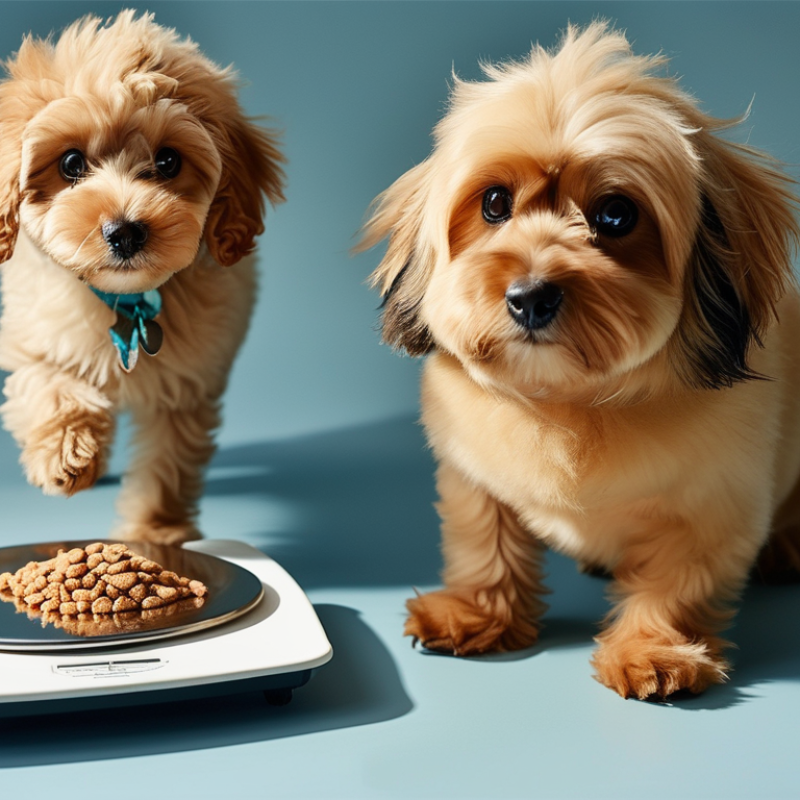
Look closely at your pet’s shape. You should feel the ribs beneath a thin layer of fat, while viewing a gentle waist from above. Measure food with a kitchen scale, not guesswork. Count training treats, chews, table scraps, and calorie-dense toppers. Small extras can quietly alter the daily total. Weight change should be gradual and monitored, usually with veterinary guidance. Underweight pets may need nutrient-dense meals, medical testing, or smaller frequent portions. Overweight pets often need measured calories and more controlled movement.
No plan works perfectly every week. I may underestimate a biscuit. Your pet may reject a new food. Recheck weight, body condition, energy, stool quality, and appetite, then adjust carefully with professional advice.
Before changing meals, assess your pet’s body condition, not only the number on a scale. Weight varies with breed, age, frame, and muscle. At home, gently run your hands over the ribs. You should feel each rib beneath a thin cushion, without pressing hard. Look from above for a visible waist. From the side, check for a slight abdominal tuck behind the ribs. A hanging belly may be loose skin, fat, or both. Misjudgment happens.
Many veterinary clinics use a nine-point body condition score. A score near four or five often indicates a healthy range, but individual pets differ. A veterinarian should examine your pet, especially when weight changes suddenly. They can assess muscle over the spine, hips, and shoulders, not just body fat. Record the weight, body score, appetite, and activity level. Monthly photographs from the same angle can reveal gradual changes that memory misses.
I once focused too much on the scale and overlooked muscle loss. That was a useful mistake. For weight loss, measure every meal and reduce treats carefully. Extra snacks count, even tiny pieces from the table. For weight gain, increase calories only after checking for dental disease, digestive problems, or other illness. A pet that eats normally but keeps losing weight needs prompt veterinary attention. Recheck body condition every two to four weeks, because progress can be slower than expected.
Before changing portions, identify why your pet’s weight changed. According to the Association for Pet Obesity Prevention’s 2022 survey, 59% of dogs and 61% of cats were overweight or obese. Extra calories are common, but they are not the only cause. Large treats, shared table food, reduced exercise, aging, and steroid medication can gradually increase body fat. Measure meals, and record every snack for seven days.
Unplanned weight loss needs closer attention. Dental pain, parasites, digestive disease, kidney disease, diabetes, and thyroid disorders may reduce body weight. Cats with hyperthyroidism can eat well while becoming visibly thinner. Vomiting, diarrhea, excessive thirst, or a dull coat make veterinary assessment more urgent. A physical examination, blood tests, and a stool test can reveal causes that appetite charts miss.
Body shape matters too. The World Small Animal Veterinary Association recommends body-condition scoring alongside body weight. Feel the ribs gently; they should be covered by a thin fat layer, not hidden under a thick cushion. A scale alone can mislead me. Muscle loss may look like successful slimming. I have also seen owners reduce food too quickly, causing begging and frustration. Adjust calories gradually with professional guidance, then recheck weight every two to four weeks. Record the reason for each change.
A safe feeding plan starts with the individual animal, not a generic portion chart. The Association for Pet Obesity Prevention reported that 59% of dogs and 61% of cats were overweight or obese in its 2022 survey. That figure makes routine weight checks important. Ask a veterinarian to assess body condition, muscle mass, age, activity, and medical history before changing food.
Use a species-appropriate diet with complete, balanced nutrition for the animal’s life stage. Dogs and cats have different nutrient needs, so do not copy a human diet or another pet’s meal plan. The WSAVA Global Nutrition Guidelines recommend regular nutritional assessment and careful monitoring. Measure portions with a kitchen scale, especially calorie-dense treats. Small errors add up quickly. Fresh water should remain available.
For weight loss, reduce calories gradually and review progress every two to four weeks. A veterinarian may calculate resting energy needs, often using 70 × body weight in kilograms raised to 0.75, then adjust the result. For weight gain, add energy slowly and investigate dental disease, parasites, pain, or digestive problems. Never force-feed without professional guidance. I have seen owners focus on fuller bowls, while the real issue was poor appetite. That mistake deserves reflection. Track meals, treats, stool quality, and weekly body weight in a simple notebook. Rescue animals and senior pets may need slower changes and closer follow-up.
Helping a pet change weight begins with movement that feels safe, not exhausting. In my experience, sudden long walks can cause sore paws, stress, and refusal the next day. Ask a veterinarian to check weight, joints, breathing, and pain before changing activity. Underweight pets may need medical evaluation, not extra exercise. Record activity, appetite, stool, energy, and weekly body weight.
Start with five-minute walks or gentle indoor games. Add one or two minutes every few days if your pet remains comfortable. Watch breathing, posture, and willingness to continue. Panting that does not settle, limping, vomiting, or unusual tiredness requires a pause and veterinary advice. For cats, use short play sessions with a wand toy, soft ball, or treat puzzle. Keep toys low to the ground for pets with joint problems.
Enrichment can increase daily movement without feeling like formal exercise. Hide small portions of their measured food around one room. Place safe stepping targets near resting areas. Rotate activities, because repetition can reduce interest. A common mistake is adding exercise while leaving unlimited food available. Weight change depends on total calories, sleep, medical conditions, and activity together. I would also reassess my plan weekly, because a routine that works for one pet may overwhelm another. Progress may look uneven. That is normal.
Helping a pet change weight requires measurement, patience, and veterinary oversight. The Association for Pet Obesity Prevention reported in 2022 that 59% of cats and 53% of dogs were overweight or obese. These figures show why casual observation can be misleading. A thick coat may hide ribs, while a tucked abdomen may appear normal in some breeds.
Record your pet’s body weight on the same scale each week. Photograph the side and top view monthly. Also check the ribs gently; they should be easy to feel beneath a thin fat layer. Your veterinarian can assign a body condition score and calculate suitable calorie targets. Do not cut food sharply without guidance. Rapid loss can cause weakness and serious health problems, especially in cats. My practical mistake was trusting the food bowl instead of weighing portions with a kitchen scale.
Progress is not always linear. A dog may lose weight after daily walks, then stall when treats remain uncounted. Keep a simple log of meals, snacks, activity, stool changes, and energy levels. The World Small Animal Veterinary Association recommends individualized nutritional assessment, including medical history and body condition evaluation. Ask for a review if weight changes suddenly, appetite shifts, or your pet becomes tired. Small details matter. Veterinary follow-ups every two to four weeks can reveal whether the plan is safe or needs adjustment. A target weight is useful, but a healthy routine matters more than a perfect number.
How to use this chart: During a veterinary-supervised weight-loss plan, dogs commonly aim to lose about 1–2% of their starting body weight per week, while cats commonly aim for about 0.5–2% per week. Weigh your pet consistently, record results, and ask your veterinarian to adjust food portions if progress is too fast or too slow.
Gently feel the ribs. You should feel each rib beneath a thin cushion. Look from above for a visible waist. From the side, check for a slight abdominal tuck. Misjudgment happens.
No. Weight varies with breed, age, body frame, and muscle. A scale can hide muscle loss. I once focused too much on numbers and missed that problem. A veterinarian can assess muscle around the spine, hips, and shoulders.
Record weight, body condition, appetite, and activity. Take monthly photographs from the same angle. Recheck body condition every two to four weeks. Memory misses slow changes.
Large treats, table food, reduced exercise, aging, and some medications can add calories. Measure meals and record every snack for seven days. Tiny pieces count. Unlimited food can quietly defeat an exercise plan.
Unplanned weight loss needs closer attention. Dental pain, parasites, digestive disease, kidney disease, diabetes, and thyroid problems may contribute. Vomiting, diarrhea, excessive thirst, or a dull coat increase concern. Prompt veterinary assessment is wise.
Measure every meal. Reduce calories gradually, including treats and shared food. For weight gain, check dental, digestive, and other health problems first. Changing food too quickly can cause begging and frustration. I have made that mistake.
Start with five-minute walks or gentle indoor games. Add one or two minutes every few days. Watch breathing, posture, paws, and willingness to continue. Stop after warning signs. Panting that persists, limping, vomiting, or unusual tiredness requires veterinary advice.
Use short play sessions with a wand toy, soft ball, or treat puzzle. Hide measured food portions around one room. Rotate activities to maintain interest. Keep toys low for pets with joint problems. Progress may look uneven.
Helping a pet reach a healthy weight begins with understanding its current body condition rather than focusing only on the number on a scale. Feel your pet’s ribs, observe its waist and abdomen, and consider factors such as age, breed, activity level, health conditions, and recent changes in appetite. Asking “How to help my pet gain or lose weight” should also involve identifying possible causes, including overfeeding, insufficient exercise, stress, dental problems, digestive issues, or underlying illness.
A safe plan should use appropriate portions, balanced nutrition, and species-specific feeding practices. Weight loss should be gradual, while underweight pets may need carefully increased calories under professional supervision. Add exercise and mental enrichment slowly, adjusting activities to your pet’s fitness and physical limitations. Track meals, treats, activity, body condition, and weekly progress, but avoid sudden dietary changes. If weight changes are rapid, unexplained, or accompanied by vomiting, diarrhea, lethargy, or appetite changes, seek veterinary guidance promptly. Regular checkups can help confirm that the plan is effective and safe.
