What Ingredients Should I Avoid in Pet Food in 2026?

Time:2026-09-19 Author:Liam
0%

Choosing pet food in 2026 requires more than scanning for frightening words on a label. The real question is: What ingredients should I avoid in pet food, and why? Evidence matters, because “natural” does not automatically mean safe, nutritious, or complete. The FDA’s investigation into canine dilated cardiomyopathy identified more than 1,100 reported cases, while also stating that no definitive causal relationship had been established between specific diets and the disease (U.S. FDA, 2022). That uncertainty deserves honest attention.

Veterinary nutritionist Dr. Cailin Heinze has said, “There are no bad ingredients, only bad diets” (Tufts Petfoodology). Her point challenges simplistic ingredient lists. A named meat meal, corn, or a by-product is not automatically dangerous. However, owners should question foods containing toxic ingredients, such as xylitol, onions, garlic, grapes, or raisins. They should also examine vague additives, excessive supplements, and unclear sourcing. Small details matter. A dusty supplement jar can look harmless.

Industry guidance supports a broader evaluation. AAFCO emphasizes nutritional adequacy, feeding trials, and complete-and-balanced labeling, rather than marketing language alone (AAFCO Official Publication). WSAVA’s Global Nutrition Committee recommends reviewing nutrition expertise, quality control, and manufacturer transparency. These checks are often overlooked. I have noticed that ingredient fear spreads faster than scientific corrections. That is a weakness in pet-food discussions. This guide will compare known risks, questionable ingredients, contamination concerns, and misleading label claims. It will also acknowledge where research remains incomplete, because responsible feeding advice should never pretend that every answer is settled.
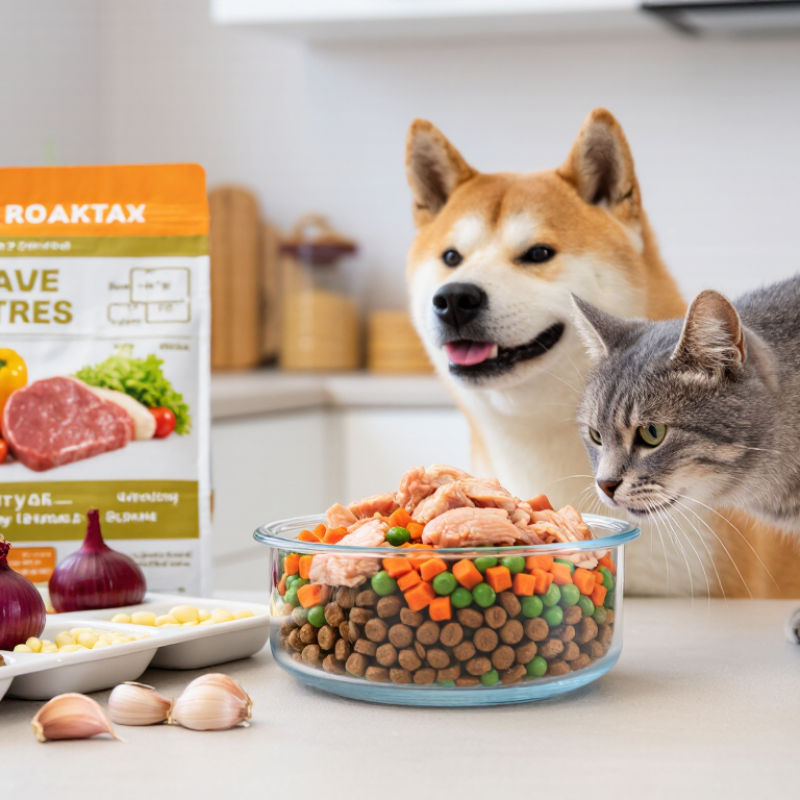
What Ingredients Should I Avoid in Pet Food in 2026?

What Makes a Pet Food Ingredient Worth Avoiding in 2026?

A pet food ingredient is worth avoiding when its risk outweighs its nutritional value. That judgment requires more than reading a dramatic label. In practice, I examine the ingredient list, feeding instructions, manufacturing details, and my pet’s medical history together. Vague terms such as “animal fat” or “meat derivatives” deserve questions when their sources remain unclear. They are not automatically dangerous, but poor traceability reduces confidence.

Artificial colors often add appearance without meaningful nutrition. Some pets also react poorly to heavily flavored foods, especially when several additives appear together. Unverified herbal blends and excessive vitamin supplements deserve caution, too. “Natural” does not always mean gentle. A veterinary nutritionist can help assess whether an ingredient is necessary, tolerated, and correctly dosed. Their advice matters more than online fear.

I am cautious about broad warnings against grains, by-products, or rendered ingredients. Those categories can include useful nutrients, depending on processing and quality control. Still, I would avoid products with unexplained ingredients, repeated recalls, damaged packaging, or claims that sound medically absolute. Check the lot number. Ask who formulated the recipe. My own judgment can be imperfect, especially when a pet’s symptoms have several possible causes. A gradual diet change and dated symptom notes often reveal more than a single alarming ingredient.

Artificial Colors, Flavors, and Preservatives to Watch For

What Ingredients Should I Avoid in Pet Food in 2026?

Artificial colors deserve careful questioning. They make kibble look brighter, but pets do not judge dinner by appearance. The U.S. Food and Drug Administration requires approved color additives to meet safety standards, yet colors offer little nutritional value. I usually treat them as unnecessary extras. AAFCO’s 2025 Official Publication also emphasizes that ingredient safety depends on approved use and concentration, not a frightening word alone.

Artificial flavors can hide an important detail: the source may be vague. Terms such as “natural flavor” or “animal digest” do not automatically mean dangerous, but they deserve clarification. Ask the manufacturer about species, processing, and quality controls. A 2024 FEDIAF industry report estimated 139.7 million European households owned a pet, showing how widely these labeling questions matter. Still, large-scale market data does not prove that one ingredient harms every animal.

Preservatives require balance. BHA, BHT, and certain synthetic antioxidants may appear on ingredient panels, while mixed tocopherols and rosemary extract are common alternatives. “Natural” does not always mean safer. The FDA evaluates food additives through intended-use conditions, and veterinary nutritionists consider dose, storage, and the complete diet. I would avoid making absolute claims. My own reading has changed: a short label is not automatically better, and a chemical-sounding name is not automatically harmful. If vomiting, itching, or appetite changes begin, save the packaging and consult a veterinarian rather than guessing.

What Ingredients Should I Avoid in Pet Food in 2026? – Artificial Colors, Flavors, and Preservatives to Watch For

Ingredient or category Common label terms Why watch for it Evidence and regulatory context Practical guidance
Artificial colors Blue 1, Blue 2, Red 40, Yellow 5, Yellow 6, color added, artificial color Colors are mainly used to make food look more appealing to people; they provide little or no nutritional benefit to pets. Approved color additives may be used within legal limits, but approval does not make color nutritionally necessary. Sensitivity reactions are uncommon but possible. Prefer foods with no added artificial color, especially when the pet has a history of itching, digestive upset, or suspected food sensitivity.
Artificial flavors Artificial flavor, artificial smoke flavor, flavoring, savory flavor Flavoring can make ingredient lists less specific and may complicate elimination diets used to investigate food allergies. Food flavorings are regulated according to applicable food-safety rules, but the general term may not identify the exact source of the flavor. For routine feeding, choose products that identify the animal or plant source of flavor. For allergy trials, use a veterinarian-directed diet with clearly defined ingredients.
BHA Butylated hydroxyanisole, BHA A synthetic antioxidant used to slow oxidation of fats. Long-term exposure is the main reason consumers choose to limit it. BHA is permitted as a preservative within regulated limits in some jurisdictions. Hazard assessments depend on dose, duration, and species. If avoiding synthetic preservatives, select food preserved with mixed tocopherols, rosemary extract, or other clearly identified alternatives, while checking storage instructions.
BHT Butylated hydroxytoluene, BHT A synthetic antioxidant used to protect fats from rancidity; unnecessary exposure may be avoided when comparable alternatives are available. BHT is allowed in some pet-food formulations at regulated concentrations. Toxicity findings vary by species and exposure level. Compare labels and consider foods using alternative preservatives. Do not assume that “natural” automatically means safer or more stable.
Ethoxyquin Ethoxyquin, ethoxyquin preservative A synthetic antioxidant historically used in animal-feed and pet-food applications; it has attracted heightened consumer and veterinary scrutiny. Its permitted uses and limits can differ by country and may change over time. It is less common in many current retail pet-food formulas. Check the complete ingredient and preservative information, including any information supplied for preserved animal-derived ingredients.
Propylene glycol Propylene glycol, 1,2-propanediol It is used as a humectant or solvent in some products. It must not be confused with ethylene glycol, a different and highly poisonous chemical. Propylene glycol is not considered safe for cats at levels used in certain dog-food applications and is prohibited in cat food in the United States. Avoid it in cat food and seek veterinary advice if a cat has consumed a product containing it. Product-specific regulations vary internationally.
Nitrates and nitrites Sodium nitrate, sodium nitrite, nitrate, nitrite These compounds can support color retention and preservation in some meat-based products; excessive exposure is undesirable. Safety depends on concentration, formulation, and total dietary exposure. They are not automatically unsafe at every permitted use level. Limit heavily processed treats and meat products containing added nitrates or nitrites, particularly when they are not needed for the pet’s nutritional requirements.
Unspecified preservatives Preservatives, chemical preservatives, antioxidants, stabilizers Vague wording makes it difficult to identify the exact additive, assess tolerance, or compare products. Ingredient labeling requirements generally call for individual ingredients or accepted collective names, but terminology differs by jurisdiction and product type. Prefer transparent labels that name the specific preservative and provide feeding, storage, and expiration information.
Preservative-free does not mean risk-free Natural preservatives, mixed tocopherols, rosemary extract, citric acid Natural antioxidants can be less stable, and inadequate storage can allow fats to become rancid or foods to spoil. Mixed tocopherols are forms of vitamin E used as antioxidants; they are not the same as a complete vitamin E nutritional supplement. Store food as directed, keep the package sealed, use clean containers, and discard food with an unusual odor, mold, moisture, or other signs of spoilage.

Note: Ingredient safety depends on the species, amount, duration of exposure, complete formulation, and local regulations. A veterinarian should evaluate pets with persistent vomiting, diarrhea, itching, weight loss, or suspected food allergy.

Animal-Specific Ingredients That May Harm Cats or Dogs

In 2026, ingredient screening should begin with the animal eating the food. Cats and dogs are not nutritionally interchangeable. The National Research Council’s Nutrient Requirements of Dogs and Cats identifies taurine, arachidonic acid, and preformed vitamin A as critical feline nutrients. AAFCO’s 2024 Cat Food Nutrient Profiles set taurine minimums at 0.10% dry matter for extruded diets and 0.20% for canned diets. A dog formula may therefore look complete but still fail a cat’s biological needs.

Some ingredients are directly risky. FDA guidance states that propylene glycol is not permitted in cat food because it can damage feline red blood cells. It remains permitted in certain dog-food uses, showing why species labels matter. Merck Veterinary Manual also identifies onions, garlic, chives, and related Allium plants as toxic to both cats and dogs. Concentrated powders deserve extra suspicion. Small amounts can become significant after repeated feeding.

Excess vitamin D is another warning sign for both species. FDA pet-food recall records from recent years include multiple products linked to excessive vitamin D, which may cause vomiting, kidney injury, or abnormal calcium levels. Avoiding every “animal-derived” ingredient would be an error. Meat meals, organs, and fats can be nutritionally useful when properly formulated. I would not judge safety from an ingredient name alone; dosage, processing, species, and laboratory quality checks matter.

The label can still be imperfect. A veterinarian should review unusual diets, especially for kittens, puppies, or animals with kidney disease.

Hidden Allergens, Fillers, and Contaminants in Pet Food Labels

In 2026, pet food labels deserve closer inspection than attractive claims. Hidden allergens may appear as poultry fat, animal digest, dairy proteins, wheat, soy, or unnamed fish. “Natural” does not mean allergy-safe. A veterinarian can help connect recurring itching, ear problems, vomiting, or loose stools with ingredients.

My practical mistake was trusting a familiar recipe before checking every sub-ingredient.

Fillers are not automatically harmful, but vague additions deserve questions. Corn, rice, peas, and potatoes can provide energy or texture. Their value depends on the whole diet and the animal’s needs.

Watch for excessive gums, artificial colors, sweeteners, and heavily processed flavor coatings. Some additives support stability, while others may offer little nutritional purpose. Read ingredient order, then check guaranteed analysis, calorie density, feeding trials, and manufacturer contact details. Short labels can hide complexity.

Contaminants are harder to spot. Mold toxins, rancid fats, excessive minerals, or manufacturing residues may not appear on the front label. Avoid packages with swelling, leaks, strange odors, or damaged seals. Store food cool and dry, and record lot information.

Ask for testing results when concerns arise. Transparency matters. Still, online warnings can overstate risk, and I have changed my view after reviewing veterinary evidence. Ingredient avoidance should be targeted, not driven by fear. Pets need balanced nutrition, not a perfect-sounding label.

How to Compare Ingredient Lists and Choose Safer Pet Food

What Ingredients Should I Avoid in Pet Food in 2026?

Comparing ingredient lists is more useful than reacting to one alarming word. Ingredients usually appear by weight, including water, so fresh meat may rank highly because it contains moisture. Check the first five ingredients, then note whether they provide clearly named animal proteins, digestible carbohydrates, fats, vitamins, and minerals. “Chicken” is more specific than “animal derivatives,” but vague wording does not automatically prove a food is unsafe. Some by-products can provide valuable nutrients.

Avoid foods with ingredients your pet has previously reacted to. Watch for repeated artificial colors, excessive sweeteners, and unclear flavoring terms. Preservatives should be assessed by amount and purpose, not fear alone.

A complete-and-balanced nutrition statement matters more than a fashionable ingredient claim. Confirm the statement matches your pet’s species, age, and health needs. A food suitable for an adult dog may not suit a growing puppy.

Tips: Compare the guaranteed analysis, feeding directions, calorie content, and company contact details. Ask a veterinarian about persistent itching, vomiting, weight loss, or stool changes. Keep the package and lot information. I also compare two similar foods side by side, because ingredient lists can look impressive while hiding major differences in calories and nutrient balance. My judgment is not perfect; online ingredient rankings often miss context. A qualified veterinary nutrition professional can interpret that context more safely.

FAQS

Should I avoid artificial colors in pet food?

Artificial colors add visual appeal, not meaningful nutrition. Pets usually care more about smell and taste. I treat repeated colors as unnecessary extras. Approved use and concentration still matter.

Are artificial flavors always harmful?

No, not automatically. Terms like “natural flavor” or “animal digest” may hide useful details. Ask about the animal source, processing, and quality checks. Vague wording deserves questions, not panic.

Are synthetic preservatives unsafe for every pet?

Not necessarily. Safety depends on dose, purpose, storage, and the complete diet. Mixed tocopherols or rosemary extract may be used instead. “Natural” is not always safer.

Which ingredients are especially dangerous for cats?

Cat food must provide species-specific nutrients, including taurine and preformed vitamin A. Propylene glycol is not permitted in cat food. A dog formula may look complete but still fail feline needs. Labels can mislead.

Can onions, garlic, or similar plants harm pets?

Yes. Onions, garlic, chives, and related plants can be toxic to cats and dogs. Concentrated powders deserve extra caution. Small repeated amounts may become significant.

Why should I check vitamin D levels?

Excess vitamin D may cause vomiting, kidney injury, or abnormal calcium levels. Recent recalls have involved excessive vitamin D. Do not assume more vitamins mean better nutrition.

How should I compare two ingredient lists?

Check the first five ingredients, then review calories and guaranteed analysis. Fresh meat contains water, so it may rank highly by weight. Clearly named proteins offer more information than vague animal derivatives. The list is not the whole story.

What should I do if my pet reacts after eating?

Watch for vomiting, itching, appetite loss, weight loss, or stool changes. Save the package and lot details. Contact a veterinarian instead of guessing. My own ingredient judgments are imperfect.

Conclusion

Choosing safe pet food in 2026 means looking beyond marketing claims and evaluating every ingredient on the label. If you wonder, “What ingredients should I avoid in pet food,” start with artificial colors, unnecessary flavors, and preservatives that may offer no nutritional benefit. Be cautious with vague meat descriptions, excessive fillers, and ingredients that could introduce hidden allergens, such as certain grains, dairy components, or protein sources your pet does not tolerate. Contaminants, poor-quality by-products, and ingredients with unclear origins also deserve closer attention.

Ingredient suitability depends on the animal, too. Some ingredients may be inappropriate for cats because they lack essential nutrients, while others can upset a dog’s digestion or trigger sensitivities. Compare products by examining the full ingredient list, nutritional adequacy statement, protein sources, fat content, and the transparency of ingredient descriptions. Choose formulas with clearly identified, species-appropriate ingredients and avoid products that rely heavily on unnecessary additives or ambiguous terms. When your pet has allergies, a sensitive stomach, or a medical condition, consult a veterinarian before changing its diet.

Liam

Liam

Liam is a dedicated marketing professional with a profound expertise in the industry, where he excels at highlighting the unique advantages of our core products. With a keen understanding of market trends and consumer needs, Liam frequently updates our company’s professional blog, providing......