Why do some pets have sensitive stomachs? The answer is rarely neat. A pet’s digestive system can react to food changes, stress, parasites, illness, or individual biology. Some animals inherit delicate digestion, while others develop problems after repeated dietary mistakes. Even careful owners can miss a pattern.
This guide explores the top 10 reasons behind stomach sensitivity in dogs and cats. It considers common triggers, including sudden food changes, rich treats, food intolerance, allergies, eating too quickly, and swallowing foreign objects. It also examines less obvious causes, such as anxiety, medication reactions, and chronic digestive disease. A dog may vomit after stealing greasy leftovers. A cat may develop loose stool after changing brands overnight.
Real-world observation matters, but it cannot replace veterinary assessment. Keep notes about meals, treats, stool changes, vomiting, appetite, and behavior. A simple diary can reveal timing that memory overlooks. However, not every stomach upset comes from diet. Persistent diarrhea, repeated vomiting, weight loss, weakness, blood, or dehydration needs prompt professional attention.
Veterinarians may use physical examinations, fecal testing, blood work, imaging, or carefully planned diet trials. These steps help separate temporary sensitivity from a deeper medical problem. This article offers practical, evidence-informed guidance, not a diagnosis. Some explanations may overlap, and that is important to recognize. Digestion is complicated. Your pet’s individual history remains the most reliable clue.
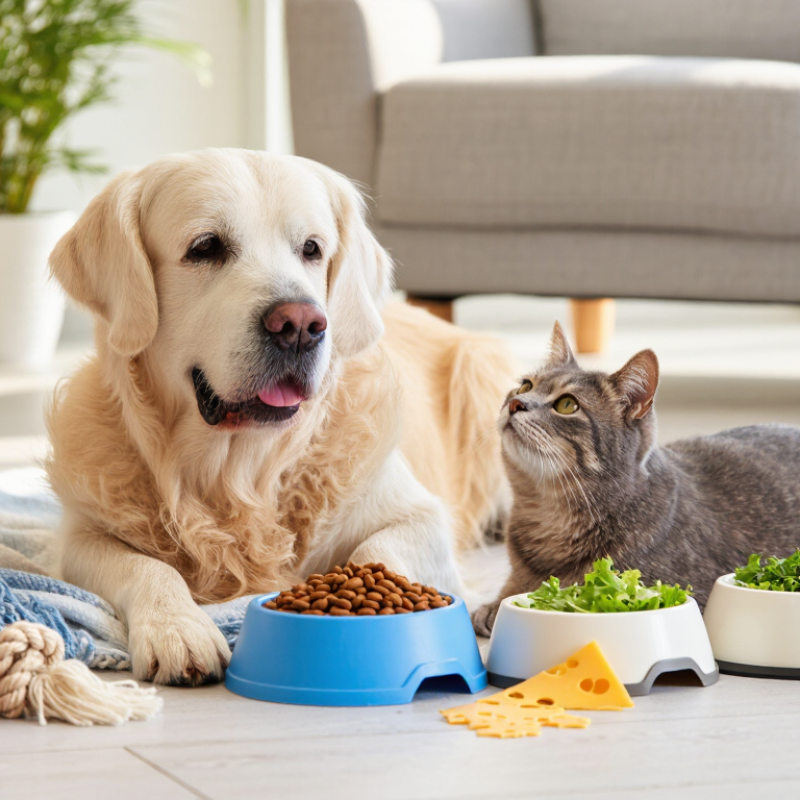
A sensitive stomach in pets means the digestive system reacts easily to normal changes or irritants. It may cause vomiting, loose stools, gas, reduced appetite, or noisy abdominal sounds. These signs can appear after eating rich food, changing diets quickly, swallowing objects, or experiencing stress. Some pets also have food intolerances, parasites, infections, or underlying organ problems. Sensitive does not always mean serious. However, repeated symptoms need veterinary attention.
A useful veterinary assessment considers the pet’s age, weight, medical history, stool quality, appetite, and hydration. A single episode may pass, but frequent vomiting, blood in stool, weakness, pain, or dehydration can signal an urgent problem. It is easy to blame the last meal. That assumption can be wrong. Keeping a simple food-and-symptom record may reveal patterns that memory misses.
Tips: Introduce dietary changes gradually over several days. Offer measured portions and prevent scavenging from bins, floors, or tables. Keep fresh water available, especially after diarrhea. Avoid giving human medicine unless a veterinarian specifically advises it. Ask a professional before using supplements or restrictive diets. Young, elderly, and chronically ill pets may worsen quickly, even when symptoms look mild. Keep changes small.
What a Sensitive Stomach Means in Pets
A sensitive stomach means the gastrointestinal tract reacts easily to otherwise normal food, feeding, or environmental changes. Common signs include vomiting, loose stools, diarrhea, gas, reduced appetite, and abdominal discomfort. The chart shows an evidence-informed clinical ranking of frequently recognized contributors, not disease prevalence or a diagnostic score. Persistent, severe, or recurring symptoms should be assessed by a veterinarian.
A pet’s stomach may react badly when food changes too quickly. A new diet can alter gut bacteria within a few days. Mix the old and new food gradually, while watching stool, appetite, and energy. Rich table scraps may also trigger vomiting or diarrhea. Even small portions can upset a sensitive animal.
Food intolerance is another possible reason. Some pets struggle with certain proteins, fats, dairy ingredients, or additives. Intolerance usually causes digestive signs, while allergies may also cause itching or ear problems. However, symptoms overlap. A veterinarian should guide an elimination diet, because guessing can create nutritional gaps. A food diary helps, but it does not prove a diagnosis.
Eating habits matter more than many owners expect. Fast eating can cause swallowed air, regurgitation, and painful bloating. Large meals may overwhelm a small stomach. Irregular feeding, scavenging outdoors, and sudden treats can add further stress. Offer measured portions at consistent times. Use a slow-feeding bowl when appropriate, and provide fresh water nearby. Stress, medication, parasites, and underlying illness can also affect digestion. Persistent vomiting, blood in stool, weakness, or dehydration needs prompt veterinary attention. One missed detail can change the answer.
Some pets develop sensitive stomachs because digestion is affected by more than food. Common reasons include sudden diet changes, food intolerance, overeating, swallowed objects, stress, digestive disorders, infections, parasites, medication effects, and aging. In veterinary practice, vomiting or loose stool is often the first visible clue, not the complete diagnosis. A calm pet can still have significant intestinal disease. Short episodes matter.
Digestive disorders such as inflammatory bowel disease, pancreatitis, or poor enzyme production can disturb nutrient absorption. Signs may include recurring diarrhea, weight loss, gas, mucus, or a tense abdomen. Infections from bacteria, viruses, or contaminated water may cause rapid vomiting, fever, and dehydration. Young, elderly, and unvaccinated animals can worsen quickly. A veterinary examination may include hydration checks, blood testing, imaging, or stool analysis. One test is not always enough.
Parasites deserve special attention. Roundworms, hookworms, giardia, and coccidia can spread through soil, feces, prey, or shared water. Some pets show no obvious symptoms. Others pass foul-smelling stool or fail to gain weight. A fresh fecal sample helps guide treatment, while random remedies may hide important signs. Do not give human medicine without veterinary direction. If vomiting continues, blood appears, gums become pale, or the pet seems weak, prompt care is safer. I have sometimes underestimated how quickly dehydration develops; that remains a useful reminder to reassess small changes.
Stress can change how a pet’s digestive system behaves. Moving homes, boarding, loud storms, or a new animal may trigger vomiting or loose stools. Some pets hide anxiety until their appetite disappears. Watch for pacing, lip licking, tucked tails, or repeated trips to the water bowl. A quiet room, familiar bedding, and steady meal times may help. Still, stress is not always the complete explanation.
Medications can irritate the stomach, especially when given without food or combined with other treatments. Pain relievers, antibiotics, and supplements may cause nausea or diarrhea in certain animals. Never stop a prescribed medicine suddenly. Contact a veterinarian if symptoms begin after a new dose. Keep a simple record of timing, food, stool changes, and behavior. Small details matter.
Underlying health conditions deserve careful attention. Parasites, food intolerance, dental pain, pancreatitis, kidney disease, and liver problems can resemble ordinary indigestion. Repeated vomiting, blood in stool, weakness, dehydration, or a swollen abdomen requires prompt veterinary assessment. Puppies, kittens, senior pets, and animals with chronic illness need faster attention. It is easy to blame food, but that explanation can be too neat. Even careful observations may miss hidden disease, so professional examination and appropriate testing remain important.
Top 10 Reasons Why Some Pets Have Sensitive Stomachs?
Recognizing Symptoms and Identifying the Root Cause
A sensitive stomach is not a diagnosis. It is a pattern of vomiting, soft stools, gas, appetite changes, or abdominal discomfort. The 2023–2024 APPA National Pet Owners Survey reported that 66% of U.S. households owned a pet, increasing the number of animals needing nutrition guidance. Common triggers include sudden diet changes, overeating, table scraps, spoiled food, parasites, infections, food intolerance, allergies, stress, medications, and pancreatic or liver disease. Look closely. A cat hiding under furniture may be showing pain, not moodiness.
Track timing, stool appearance, meal ingredients, treats, and recent household changes. The WSAVA Global Nutrition Guidelines recommend assessing diet history, body condition, and feeding practices during veterinary consultations. Persistent diarrhea, repeated vomiting, blood, weakness, dehydration, weight loss, or a swollen abdomen needs prompt veterinary attention. Puppies, kittens, older pets, and animals with chronic disease require extra caution. A 2024 PDSA Animal Wellbeing Report, based on thousands of UK pet owners, highlighted continuing gaps in preventive care and owner recognition of illness. That gap matters.
Do not keep switching foods every few days. It can worsen confusion and digestive upset. A veterinarian may recommend fecal testing, blood work, imaging, or a controlled elimination diet. Food allergy is often blamed too quickly. I have seen owners focus on one ingredient while missing stress, parasites, or portion size. Symptoms can overlap, and the first explanation is not always the right one.
It means the digestive system reacts easily to ordinary changes or irritants. Signs may include vomiting, loose stool, gas, poor appetite, or noisy abdominal sounds. Not always serious. Repeated symptoms still need veterinary attention.
Yes. A sudden diet change can alter gut bacteria within several days. Mix old and new food gradually. Watch stool, appetite, and energy during the transition.
Rich table scraps, large meals, sudden treats, and outdoor scavenging may trigger vomiting or diarrhea. Fast eating can cause swallowed air and regurgitation. Measured portions help. A slow-feeding bowl may also help some pets.
Certain proteins, fats, dairy ingredients, or additives may cause digestive signs. Allergies can also cause itching or ear problems. Symptoms overlap, so guessing is unreliable. A veterinarian should guide any elimination diet.
Yes. Stress and some medications may disturb normal digestion. Parasites can spread through soil, feces, prey, or shared water. Some infected pets show no obvious symptoms. A fresh stool sample can help identify the cause.
Seek prompt care for continued vomiting, blood in stool, weakness, pain, pale gums, or dehydration. Young, elderly, and chronically ill pets may worsen quickly. Mild-looking signs can become serious.
Record meals, treats, stool changes, vomiting, appetite, energy, and water intake. Include the pet’s age, weight, and medical history. A simple diary may reveal patterns memory misses. It does not prove a diagnosis.
Keep fresh water available, especially after diarrhea. Offer measured portions and prevent access to bins, floors, and tables. Avoid human medicine unless a veterinarian specifically advises it. Keep changes small. I might blame the last meal too quickly.
Why do some pets have sensitive stomachs? A sensitive stomach means an animal’s digestive system may react easily to changes or irritants, leading to discomfort, loose stools, vomiting, gas, or reduced appetite. Common causes include sudden diet changes, eating too quickly, consuming inappropriate foods, food intolerances, and low tolerance for certain ingredients. Digestive disorders, mild infections, and parasites can also interfere with normal digestion and cause recurring symptoms.
Emotional stress, travel, changes in routine, and some medications may temporarily upset the stomach. In other cases, ongoing digestive problems can signal an underlying health condition that needs professional attention. Pet owners should observe when symptoms occur, note recent changes in food, environment, or behavior, and avoid making frequent diet adjustments without guidance. Recognizing patterns and seeking veterinary advice when symptoms persist can help identify the root cause and support a safer, more comfortable digestive routine.